
Best Time to Visit Puglia: A Month-by-Month Guide

Puglia sits at the southeastern tip of Italy, where two coasts, the Adriatic and the Ionian, meet a landscape that holds centuries of olive groves, dry-stone walls, and whitewashed hilltop towns. The climate here is Mediterranean in the truest sense: long summers of genuine heat, mild winters that remain navigable, and shoulder seasons of particular beauty.
The honest answer to when to visit is that it depends on what you are looking for. Summer brings warmth, festivals, and the full social life of the Italian coast, at the cost of crowds and prices that reflect the season's popularity. Spring and autumn offer a quieter, softer encounter with the landscape. Winter is the season of the insider, the truest encounter with daily Pugliese life. Each has its own argument.
What follows is an honest, month-by-month account of what Puglia actually offers across the year, including the Valle d'Itria, the olive harvest, the festival calendar, and what to expect at Palazzo Ceraselli in every season.
Puglia Month by Month
January
The coldest month in Puglia is considerably milder than the Italian north: temperatures in Martina Franca and the Valle d'Itria typically range from 4 to 12 degrees Celsius, with overnight frosts on the plateau but rarely sustained cold. Rain is possible, particularly in the first half of the month. The landscape is at its most bare: the olive trees stripped of their harvest, the fields winter-green, the trulli emerging from mist on the plateau mornings.
January is the quietest month of the year. Most small guesthouses and rural properties are closed, but the towns themselves continue their daily rhythms without any concession to the tourist calendar. The restaurants and wine bars of Martina Franca, Locorotondo, and Ostuni serve as locals use them: full at lunch, full again at nine in the evening, empty in between. Prices are at their lowest. The crowds of summer are entirely absent. For those whose priority is authentic encounter with daily life rather than optimal weather, January offers something unavailable in any other month.
February
February in Puglia is the month of the almond blossom. The trees flower in late January and through February, their pale pink and white petals against the grey-green bark and the cold blue sky producing one of the more striking sights of the Pugliese winter. In the Valle d'Itria, the effect is particularly pronounced: almond trees planted among the olive groves and along the dry-stone wall lines create a pale haze over the landscape that photographers return to specifically for this period.
Temperatures begin to rise toward the end of the month, and the Carnevale celebrations in some towns bring a brief animation to streets that January left quiet. This is still genuinely off-season; visitors will have the historic centres largely to themselves.
March
March is the beginning of the transition. The olive trees show their new growth, the wildflowers begin in the lower fields, and the days lengthen perceptibly. Temperatures can reach 16 or 17 degrees on good days, though the weather remains variable and rain is still possible. Easter, which falls in late March or April depending on the year, brings Puglia's most significant religious processions, particularly in Taranto, where the Holy Week rituals are among the most elaborate and solemn in Italy.
April
April is one of the finest months to visit Puglia. The spring wildflowers are at their peak, particularly in the Valle d'Itria, where the verges of the country roads run with poppies, chamomile, and the yellow of broom. Temperatures are comfortable, typically 15 to 20 degrees, without the heat that limits outdoor exploration in summer. The tourist numbers are manageable, the countryside is visually at its most varied, and the light has the particular quality of a Mediterranean spring: clear, direct, and long in the afternoons.
This is the month in which the Valle d'Itria landscape most rewards driving. The roads through the contrade, the rural districts of Martina Franca, pass through olive groves and trulli fields that carry the full colour of the season. Fava beans are in the market, asparagus appears in the trattorie, and the new season's cheeses are at their freshest.
May
May builds on April's promise. The weather is reliably warm, the days are long, and the full range of Puglia's outdoor life is available without the heat that July and August impose. The interior towns, Martina Franca, Locorotondo, Cisternino, and Ostuni, are busy but not overwhelmed. May is the month in which Puglia works best for those who want to combine culture and landscape: the trulli countryside is still lush from spring rain, the olive groves are in new leaf, and the historic centres are animated without being congested.
June
June begins the Pugliese summer. Temperatures rise into the upper twenties and occasionally the low thirties, the days stretch to eight or nine hours of direct sun, and the coastal traffic intensifies significantly. The early weeks of June, before the Italian school summer holiday begins around the twentieth, offer the summer experience with slightly more manageable visitor numbers. By late June, the full pressure of Italian summer tourism is in effect, and accommodation in popular areas books out weeks or months in advance.
July
July is the peak of the Pugliese summer. Heat is consistent, often 32 to 37 degrees in the interior, with coastal breezes providing relief along the Adriatic and Ionian shores. The Festival della Valle d'Itria operates through July in Martina Franca, bringing opera performances to the Palazzo Ducale courtyard in the evenings when the heat has eased. The Notte della Taranta folk music festival circuit begins in the Salento. This is the busiest and most expensive month; advance booking for accommodation, restaurants, and the opera festival is essential.
August
August continues July's intensity, with heat and visitor numbers both at their maximum. The Ferragosto national holiday on August 15th marks the peak week of the Italian summer. Inland towns are marginally quieter than the coast, but the Valle d'Itria hill towns attract significant visitor traffic throughout the month. The late August period, from the 20th onward, offers the same warmth with a perceptible easing of the crowds as the Italian school holiday ends.
September
September is the month many experienced Puglia travelers consider the best of the year. The heat has eased to a more comfortable 25 to 28 degrees, the sea is at its warmest, the visitor numbers drop sharply after the first week, and the landscape shifts gear toward harvest. The olive groves darken as the fruit sets, the vineyards carry their heaviest clusters, and the quality of afternoon light changes toward the amber tones of autumn.
Vendemmia, the grape harvest, begins in the Primitivo di Manduria vineyards in late August and continues through September, a working season that changes the atmosphere of the countryside. Wine estates open for visits and tastings with a particular generosity in this period. The hill towns feel most like themselves: visited but not overwhelmed, full of life without the pressure of peak summer.
October
October is the olive harvest month in the Valle d'Itria. Families and hired pickers spread their nets beneath the trees from early October through November, collecting the Coratina and Ogliarola varieties that have been growing in this soil for centuries. The freshly pressed oil, the olio nuovo, appears at the end of October with a flavour of extraordinary intensity: peppery, green, direct, nothing like the oil that has spent a year in the bottle.
Temperatures remain comfortable, typically 18 to 23 degrees, the crowds are greatly reduced, and the landscape is at its most purposeful. The combination of harvest activity, good walking weather, and an increasingly golden light over the olive groves makes October one of the most rewarding months to visit the region.
November
November is the quietest month of the active tourist season. The olive harvest continues through the early weeks, and the landscape holds its amber quality, but the days shorten and rain becomes more frequent. Temperatures drop toward 12 to 16 degrees on warmer days, cooler in the evenings. The towns of the Valle d'Itria are almost entirely given back to their residents. The markets fill with autumn produce: bitter chicory, porcini, fresh walnuts, and the last of the season's figs. It is, for the right kind of traveler, a revelation.
December
December in Puglia has a quality unique to the southern Italian winter: nativity scenes in the church forecourts, the smell of torrone being made in the old confectionery shops, and the specific warmth that Pugliese hospitality directs toward the holiday season. Temperatures range from 8 to 15 degrees, with the coldest nights on the plateau. The period from mid-December through early January sees some tourist activity around the religious celebrations, and Puglia's Christmas traditions, rooted in local ritual rather than generic decoration, are among the most genuine in the country.
When to Visit Puglia for Specific Purposes
For Beaches
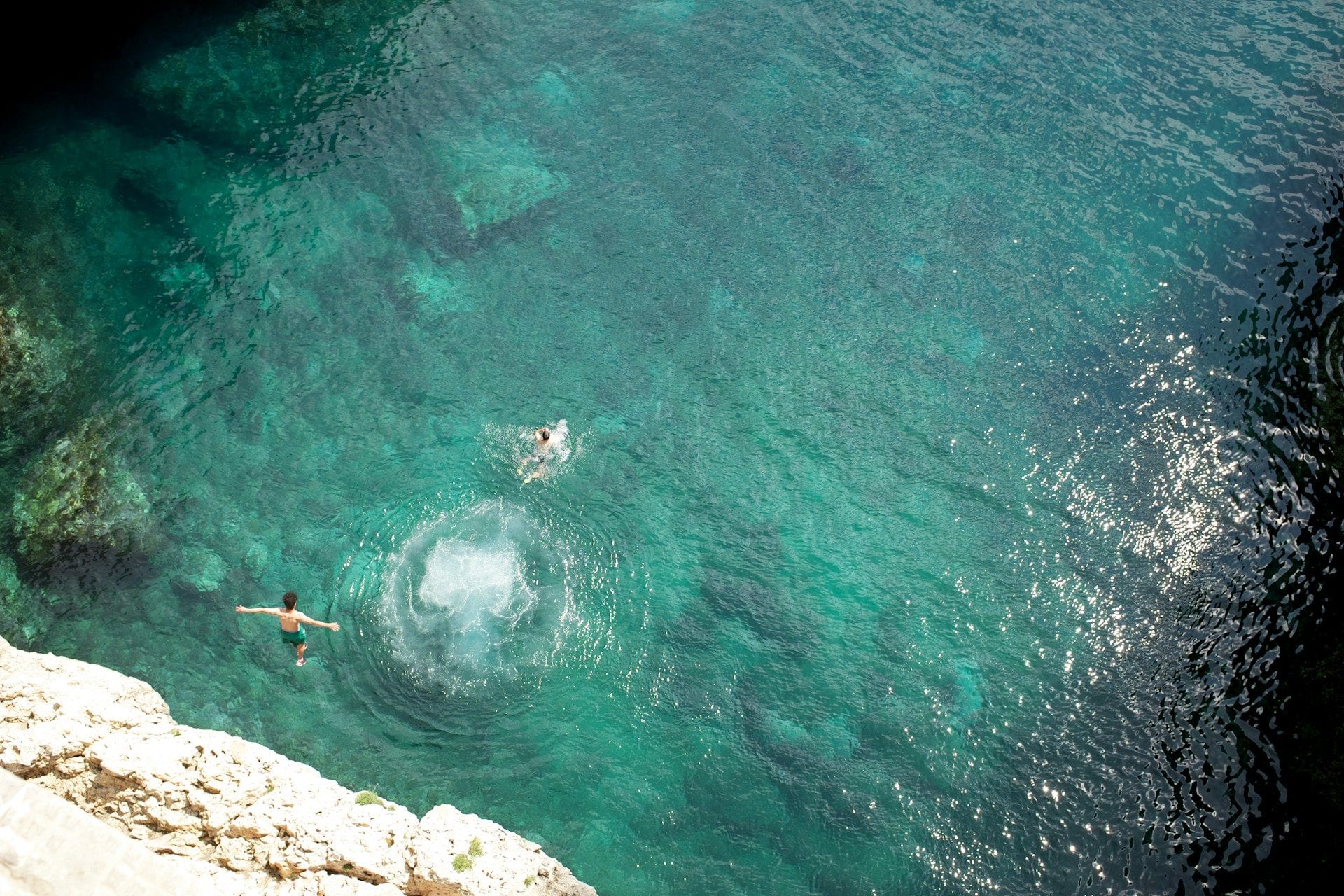
The sea is swimmable from mid-June through September, with late August and September offering the warmest water. For uncrowded beach days, late September and early June offer the best compromise between warm water and manageable numbers. July and August deliver the full Italian beach experience; arrive early to secure a spot along the Adriatic or Ionian coast.
For Culture and Architecture
Spring and autumn, specifically April through early June and September through October, offer the best conditions for exploring the historic centres: comfortable temperatures, good light, and manageable visitor numbers. The Festival della Valle d'Itria in July and August adds a specific cultural reason to visit in summer, with opera performances in the Palazzo Ducale courtyard of Martina Franca drawing audiences from across Europe.
For Food and Harvest
October is the month of the olive harvest and the new oil, the single most food-specific event in the Pugliese agricultural calendar. September brings the wine harvest, with the Primitivo di Manduria and Negroamaro vineyards at their most active. April and May offer the spring produce: fava beans, artichokes, asparagus, and the fresh cheeses of the new season. There is always something specific and seasonal on the Pugliese table.
For Wellness and Quiet Retreat
November through March is the season for those who come to Puglia in search of stillness rather than activity. The landscape is uncluttered, the light is particular, and the pace is authentically slow. Those seeking restoration rather than stimulation consistently find that the off-season delivers the most complete version of what Puglia has always been: a landscape of ancient patience, whose trulli and olive groves have been absorbing the slow passage of time for centuries.
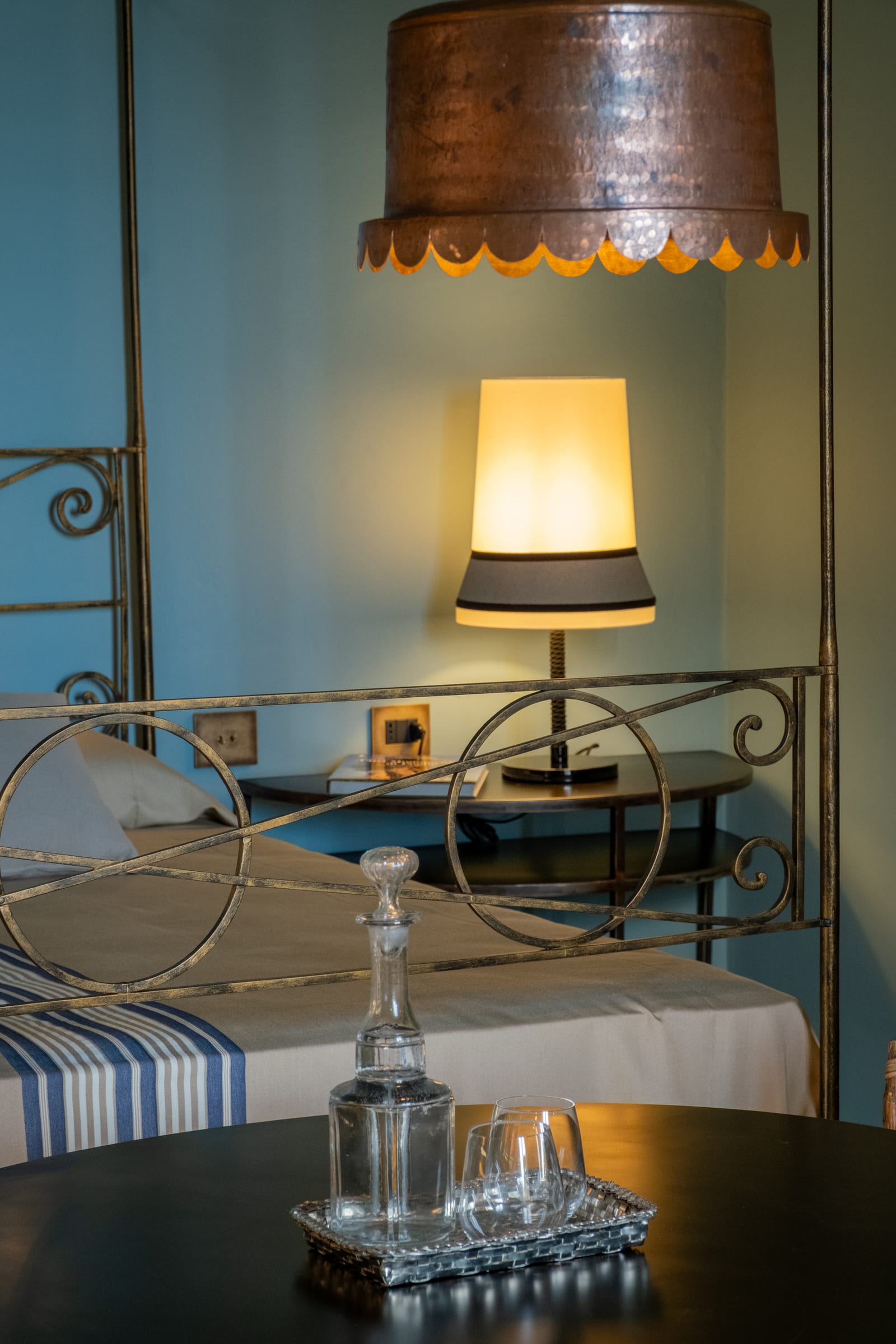
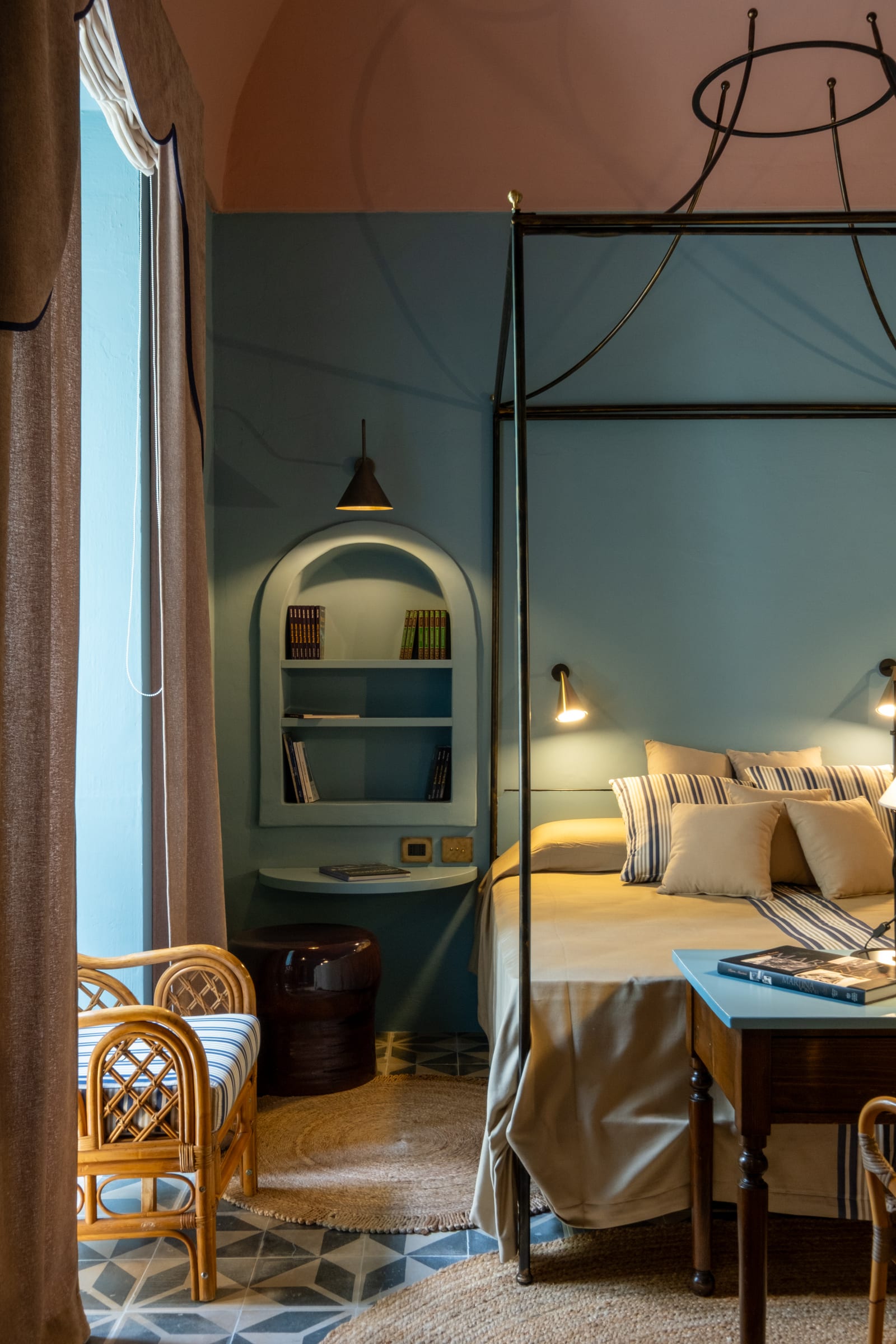
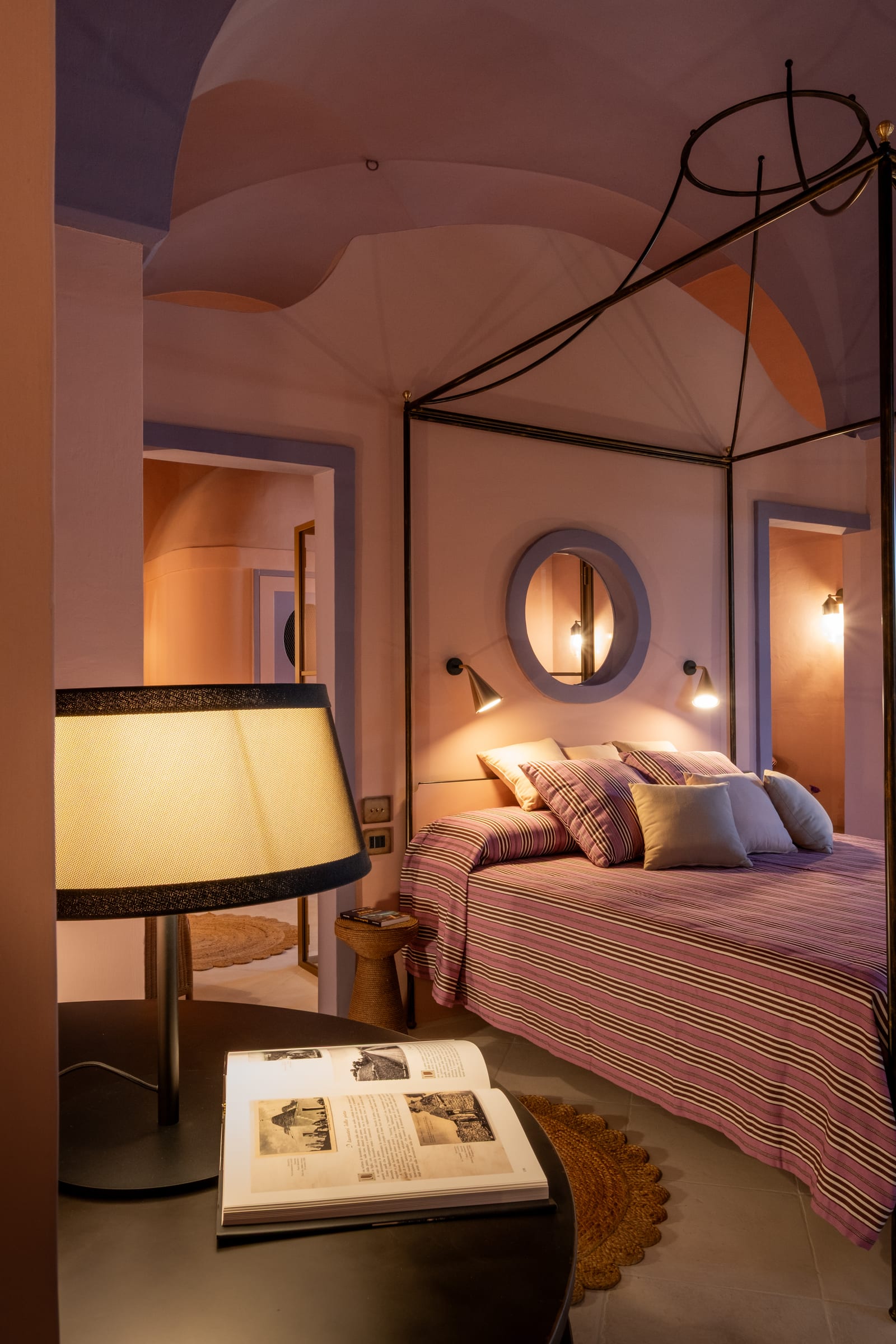
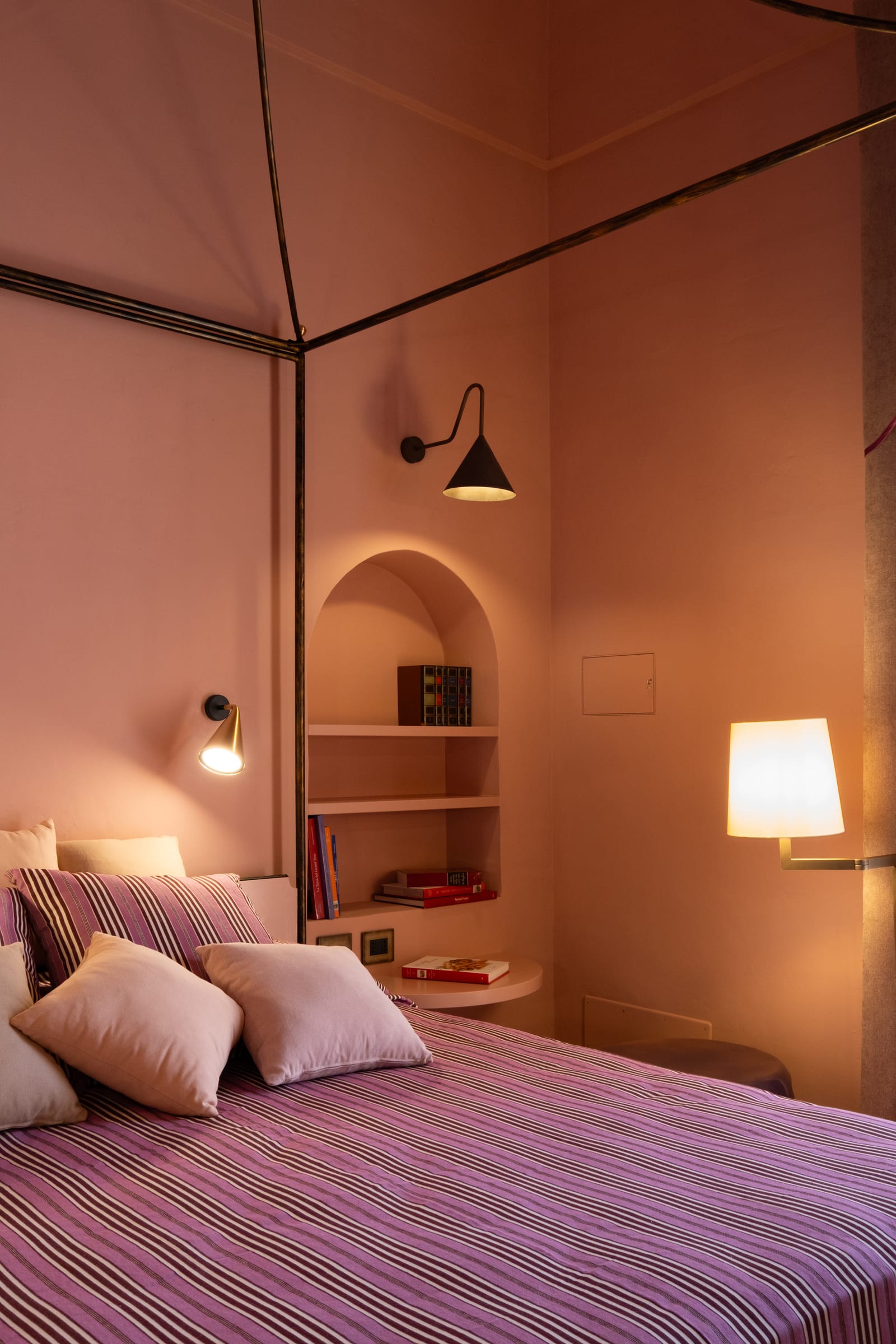
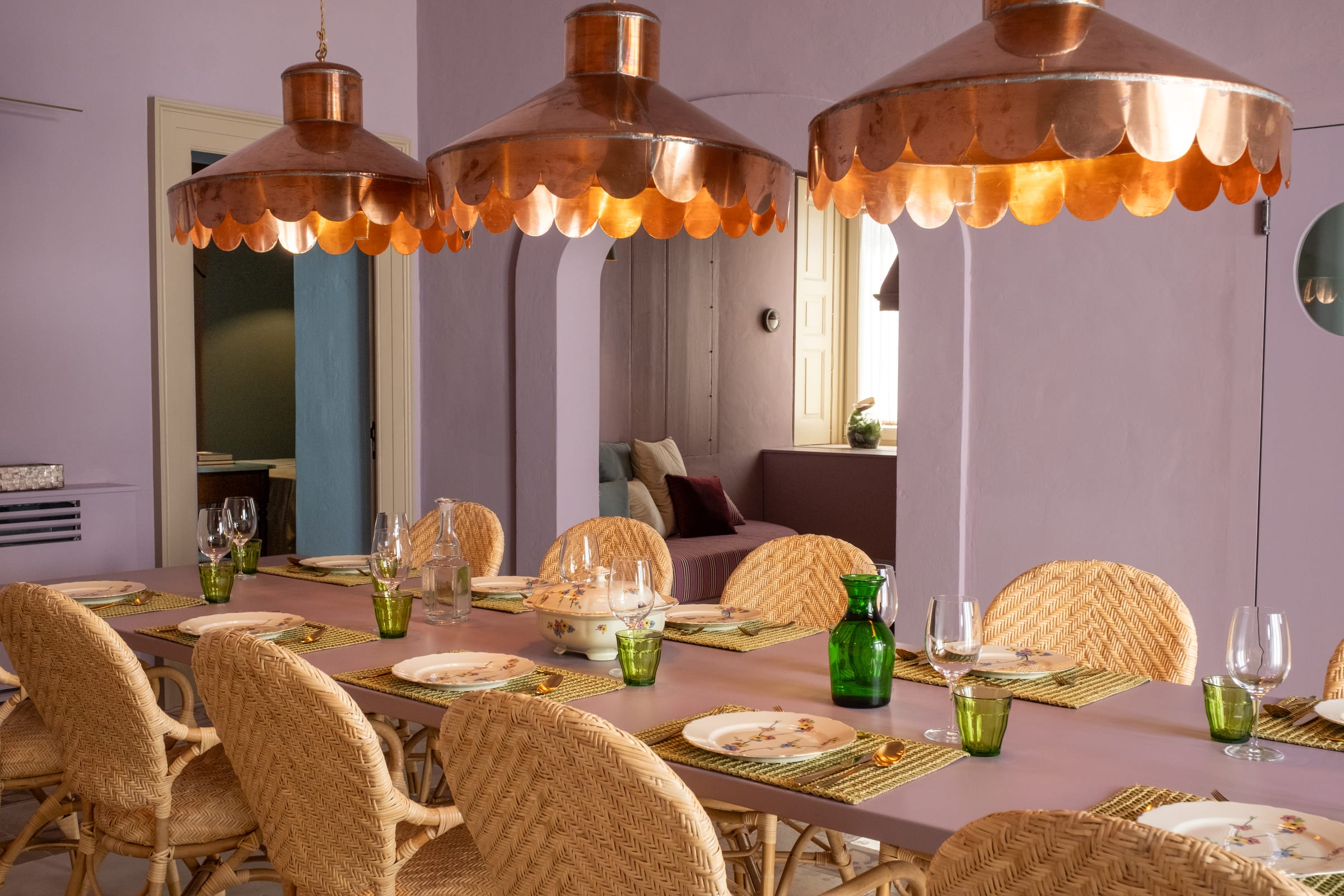
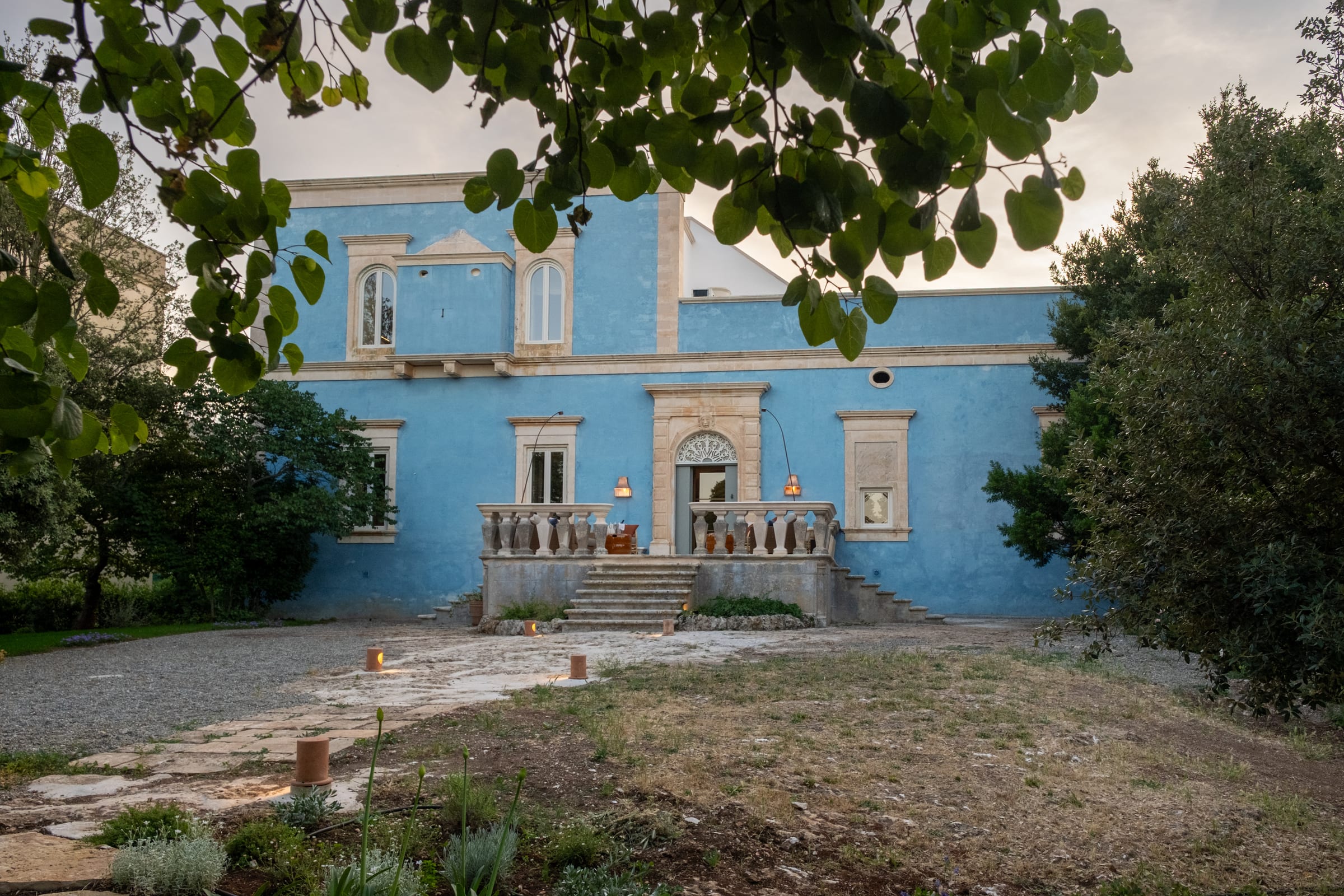
Palazzo Ceraselli: Open Year-Round in the Valle d'Itria
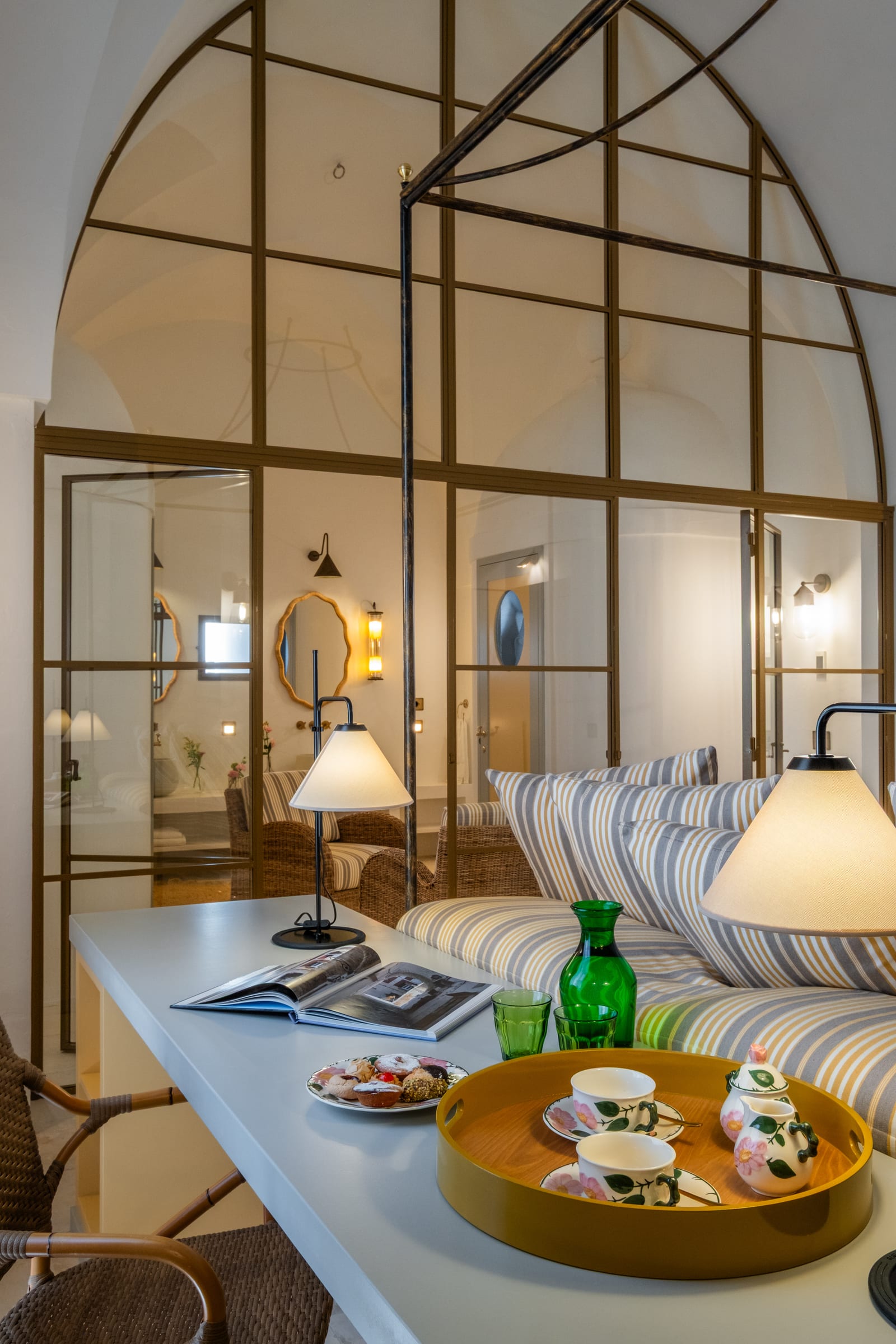
Palazzo Ceraselli is open across all seasons, and each month offers a different quality of experience at the property. In spring, the olive groves visible from the terrace carry new growth and the surrounding countryside is in full flower; the mornings are cool enough for slow walks through the contrade and the afternoons warm enough to sit in the courtyard with the light coming in from the south.
In summer, the property holds the heat as old stone does: coolly within its thick walls, warm and luminous outside. The opera festival in Martina Franca's Palazzo Ducale brings evenings of particular quality to the summer calendar. In autumn, the olive harvest changes the atmosphere of the surrounding landscape, and the quality of the afternoon light over the Valle d'Itria shifts to the amber that painters and travelers have always sought here.
In winter, Palazzo Ceraselli offers what the season always offers in this part of the world: the truest encounter with the place itself, the warmth of a Pugliese kitchen against the cool of a plateau morning, and the particular stillness of a landscape that has been doing this for a very long time. For those ready to find the right season for their own visit, the suites and availability at Palazzo Ceraselli are a direct introduction to what awaits.
Frequently Asked Questions
Is Puglia hot in October?
October in Puglia is warm rather than hot. Temperatures typically range from 18 to 23 degrees Celsius during the day, dropping to 12 to 14 degrees in the evenings. The sea remains swimmable through much of the month. The heat of summer has passed, and October has the particular quality of the Mediterranean autumn: golden light, reduced humidity, and a landscape in the middle of the olive harvest. It is one of the finest months to visit the region.
What is Puglia like in November?
November is Puglia's quietest month, and it is quietly extraordinary for the right kind of visitor. The olive harvest continues through the early weeks, the trulli countryside holds its amber tones, and the towns of the Valle d'Itria return entirely to their own rhythms. Rain is more frequent than in October, temperatures range from 10 to 16 degrees, and accommodation prices are at their annual low. The visitor who arrives in November is not accommodated at the edge of local life but welcomed into the centre of it.
Is Puglia worth visiting in winter?
Puglia in winter is a different destination from Puglia in summer, and for a specific kind of traveler it is the more rewarding one. December through February brings the almond blossom, the Christmas traditions of one of Italy's most food-centred cultures, and the stillness of the trulli countryside under low winter light. The region's historic centres are open, the restaurants are serving, and the landscape is beautiful in a way that has nothing to do with warmth or convenience.
What is the cheapest month to visit Puglia?
January and February are consistently the least expensive months to visit Puglia, with accommodation prices significantly below the summer peak and the best availability across the region. November and early December are similarly priced. The trade-off is weather: shorter days, occasional rain, and temperatures that require a layer in the evenings. Those whose primary concern is value, and who are comfortable with the off-season atmosphere, will find these months offer everything Puglia fundamentally is at a fraction of the cost of July or August.